Resi App 1.0 - Vibe Coding
Personal
Overview
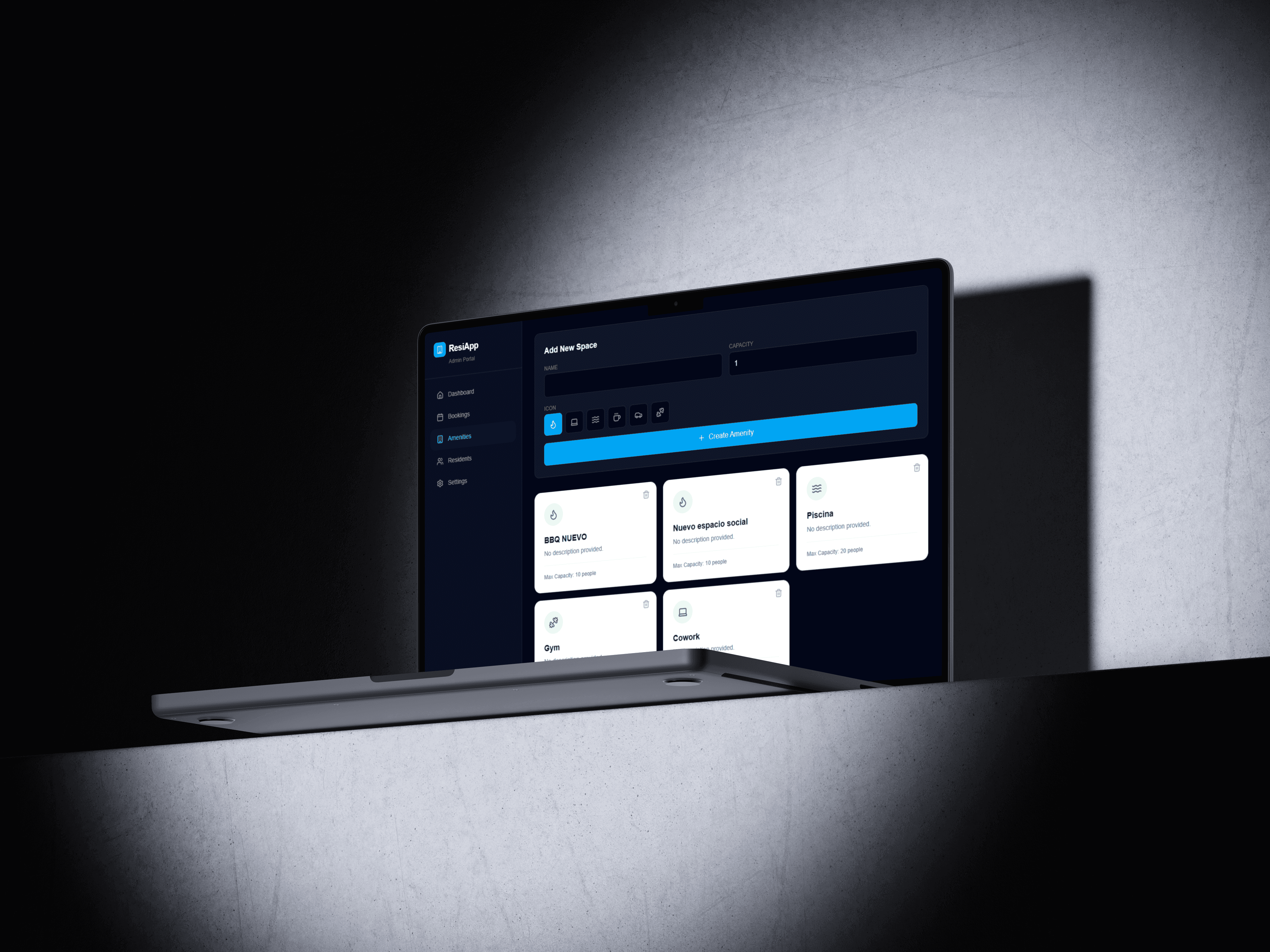
Resi-app is a B2B2C ecosystem designed to transform residential co-living management. As Product Lead, I developed this solution from initial discovery to a functional MVP using Vibe Coding. Version 1.0 focuses on operational efficiency, integrating Gemini AI, Supabase, and a robust security architecture to return time to administrators and autonomy to residents.
The Challenge
The core problem wasn't just a lack of an app, but a massive "Operational Friction" that acts as a hidden cost for property managers. I identified four pillars where the traditional model fails as a business: The Admin Bottleneck: Managers spend up to 30% of their week on repetitive tasks: answering rule-based questions and manual booking logs. This is "dead time" that prevents scaling. Resident Journey Friction: Premium living is devalued when booking a gym or a BBQ area feels like a bureaucratic maze. This affects the Net Promoter Score (NPS) and property valuation. The Data Vacuum: Analog logs provide zero data on area usage. Without analytics, administrations lose opportunities for resource and budget optimization. The Knowledge Gap: Bylaws (Manuales de Convivencia) are static documents no one reads. The opportunity was to decentralize this knowledge using AI.
Process & Strategy
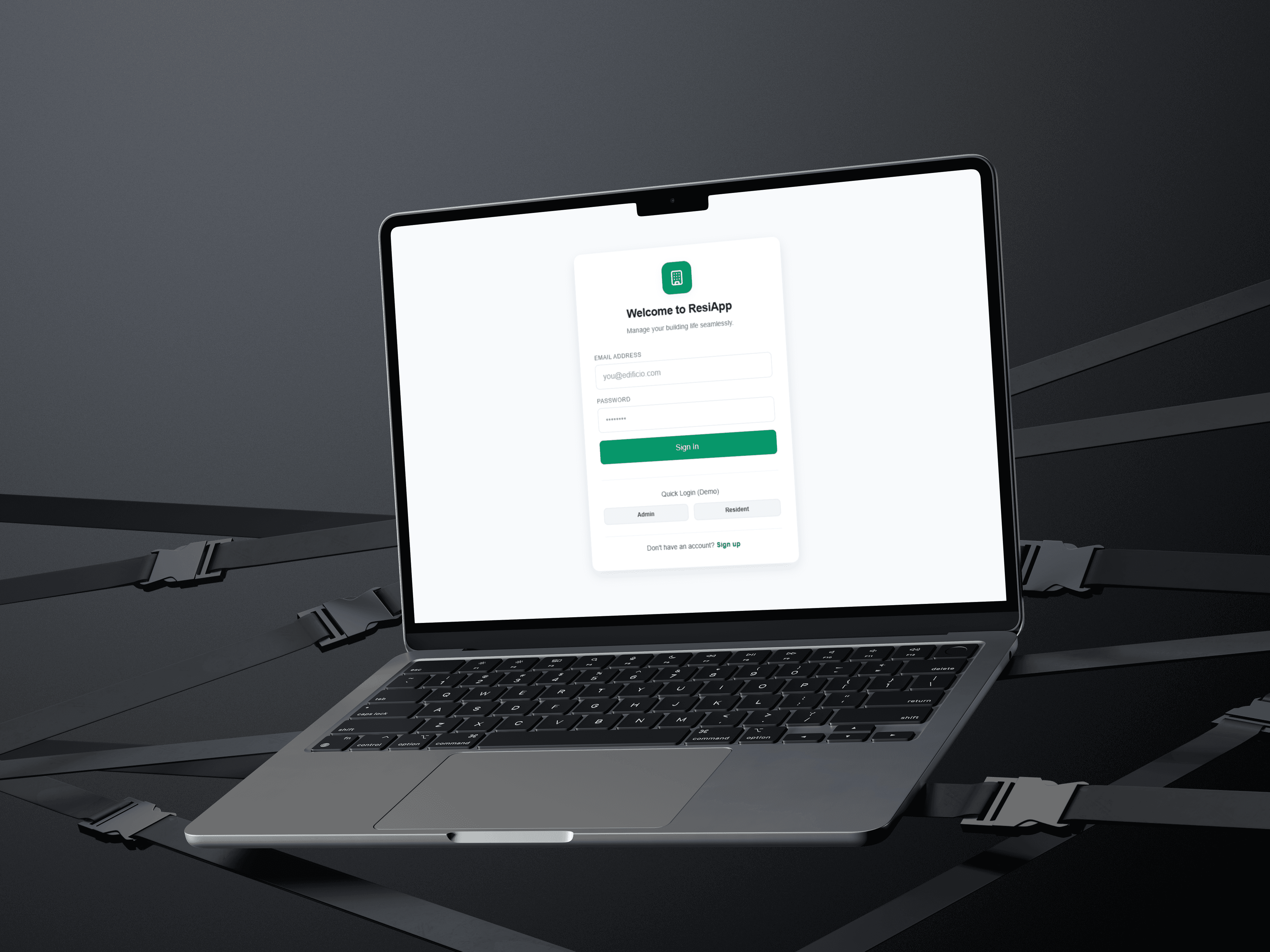
I moved beyond traditional prototyping into Vibe Coding, focusing on a robust technical foundation: Thinking & Discovery: Used the MoSCoW framework to define a high-impact MVP. Framework Selection: Built with a scalable stack—Supabase (PostgreSQL) for data, GitHub for version control, and Netlify for deployment. Context Injection: This was the breakthrough. I structured procedural prompts to feed the building's specific bylaws into the AI, ensuring accurate, legally-grounded responses. Security Architecture: Implemented RLS (Row Level Security) to ensure data isolation (Resident A cannot see Resident B’s bookings).
Key Design Decisions
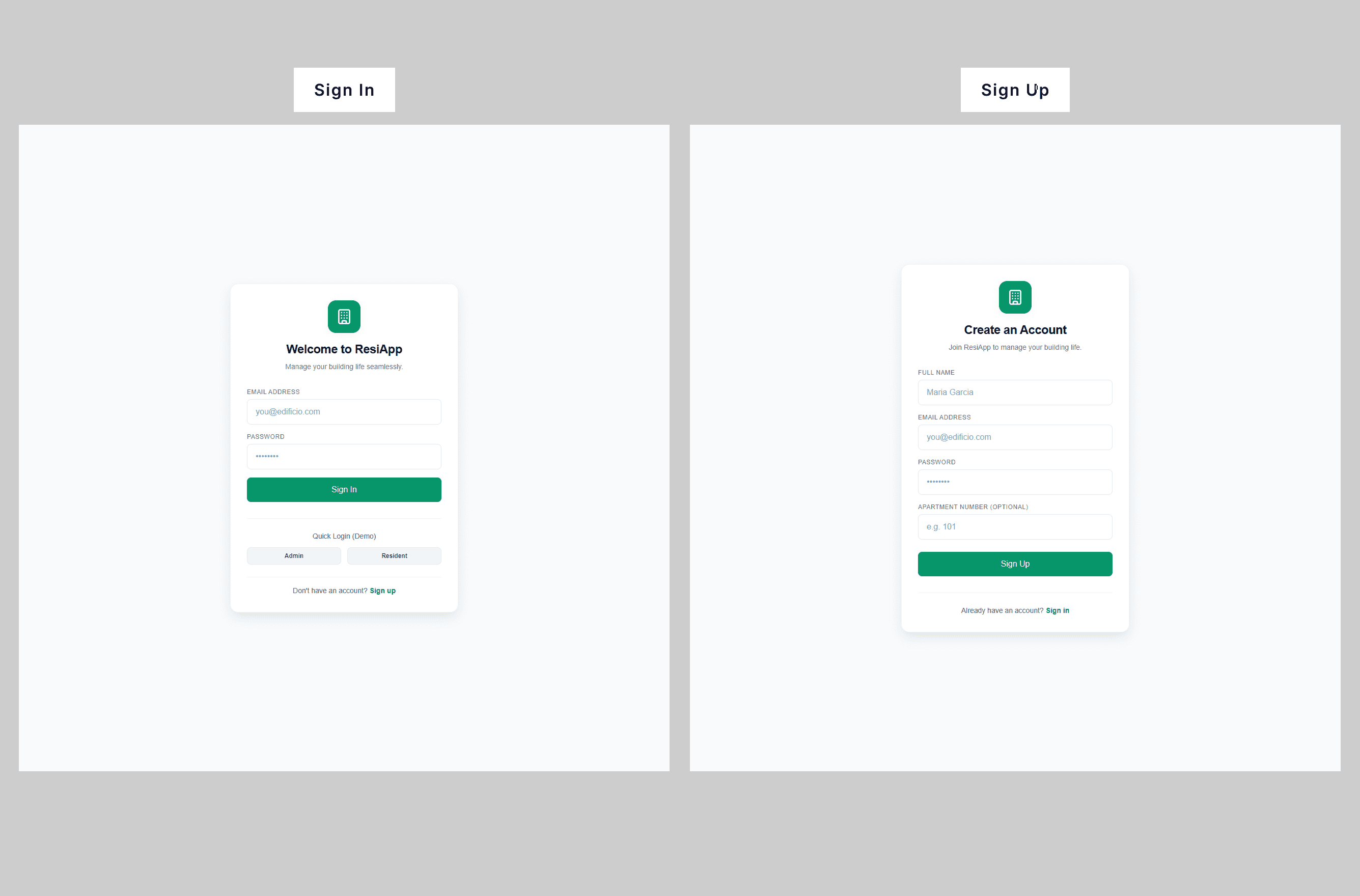
To ensure professional-grade reliability, I implemented: PostgreSQL Triggers: Automatic user profile creation upon sign-up, ensuring data integrity without manual backend calls. Edge Functions: Secured the Gemini API and Resend (Email) services by moving logic to the server side, keeping sensitive keys hidden from the client. Persistent Identity: Moved away from temporary sessions to a full Auth system, allowing for real historical data and behavioral analytics.
The Solution
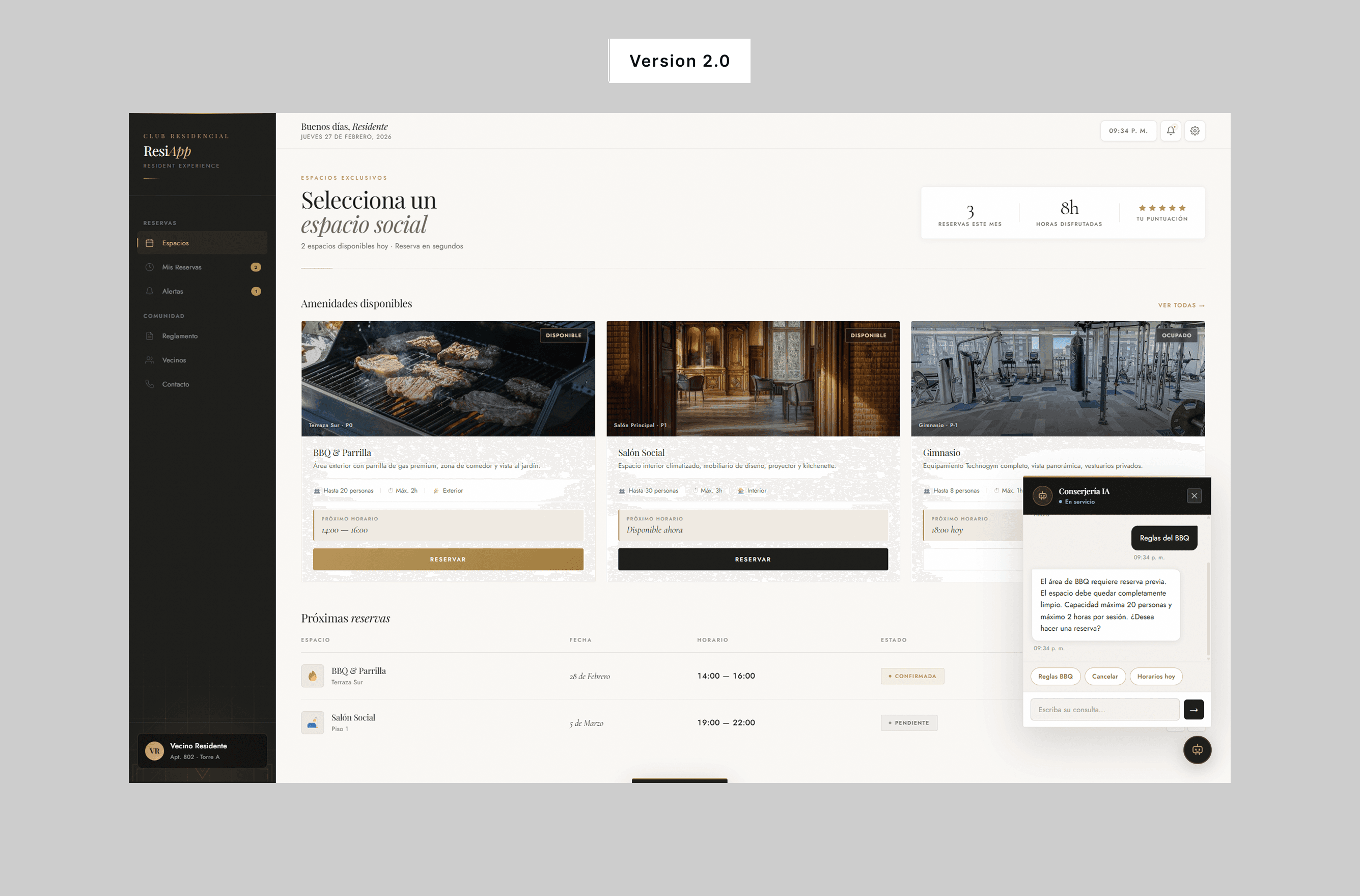
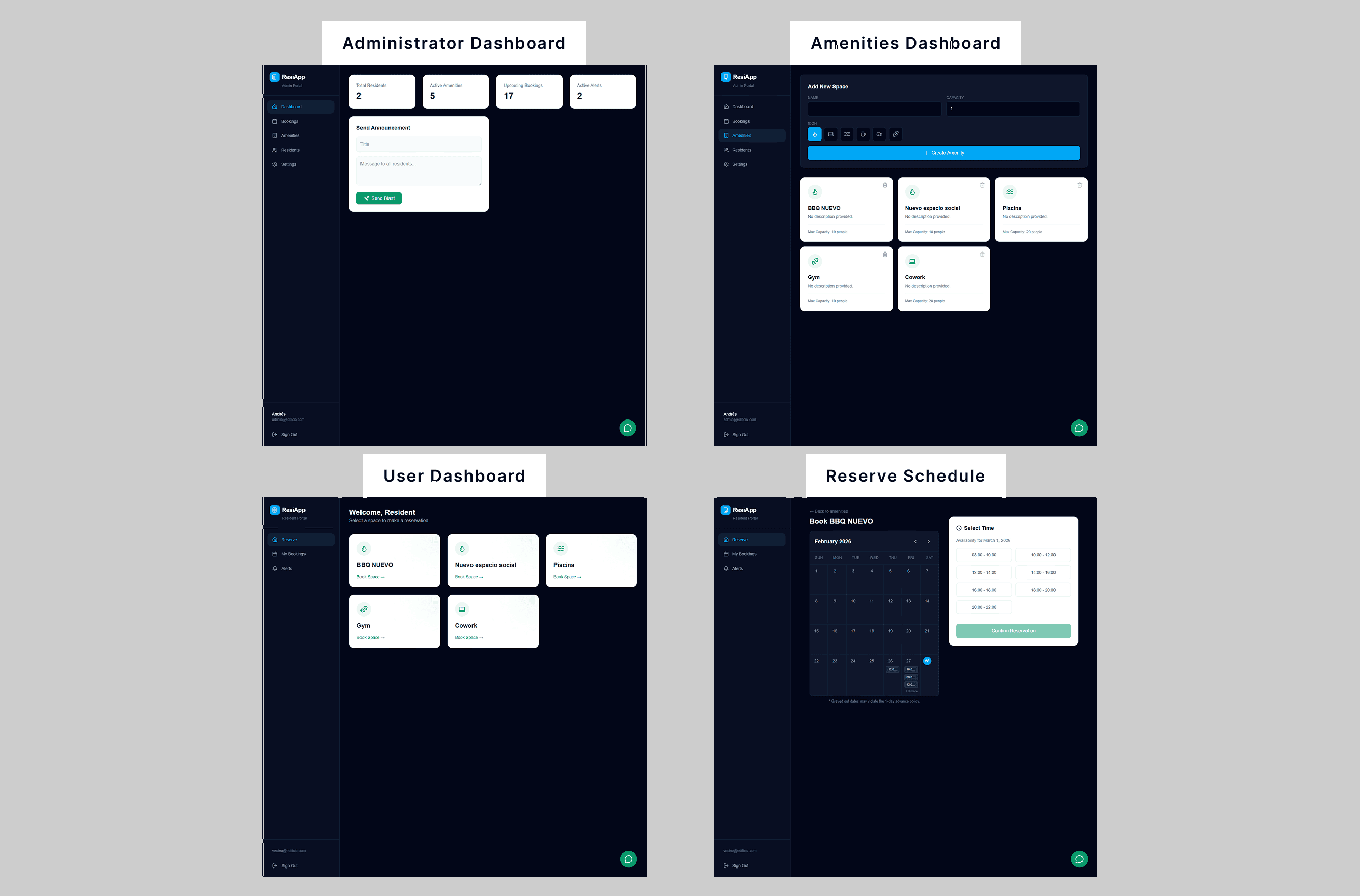
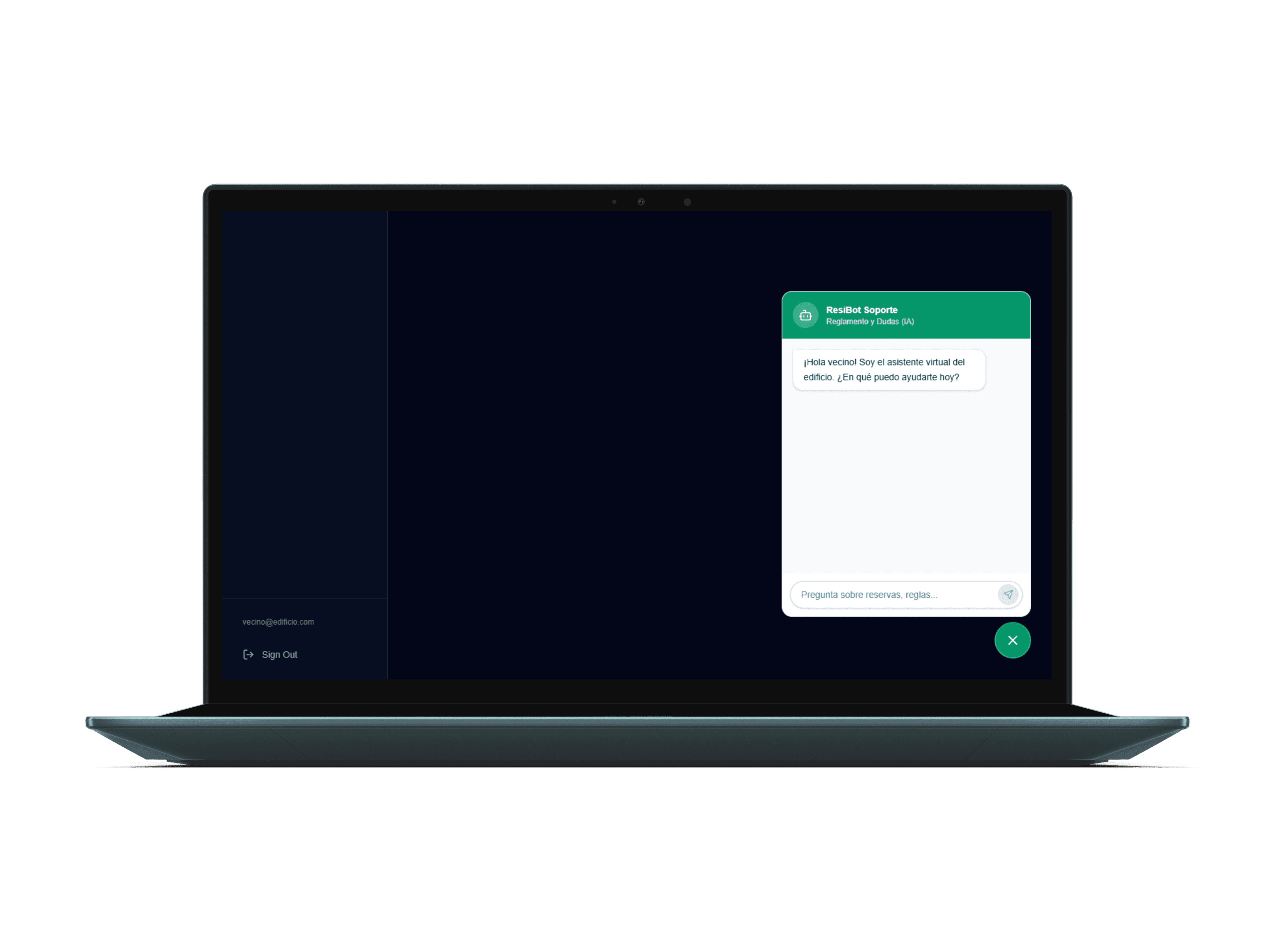
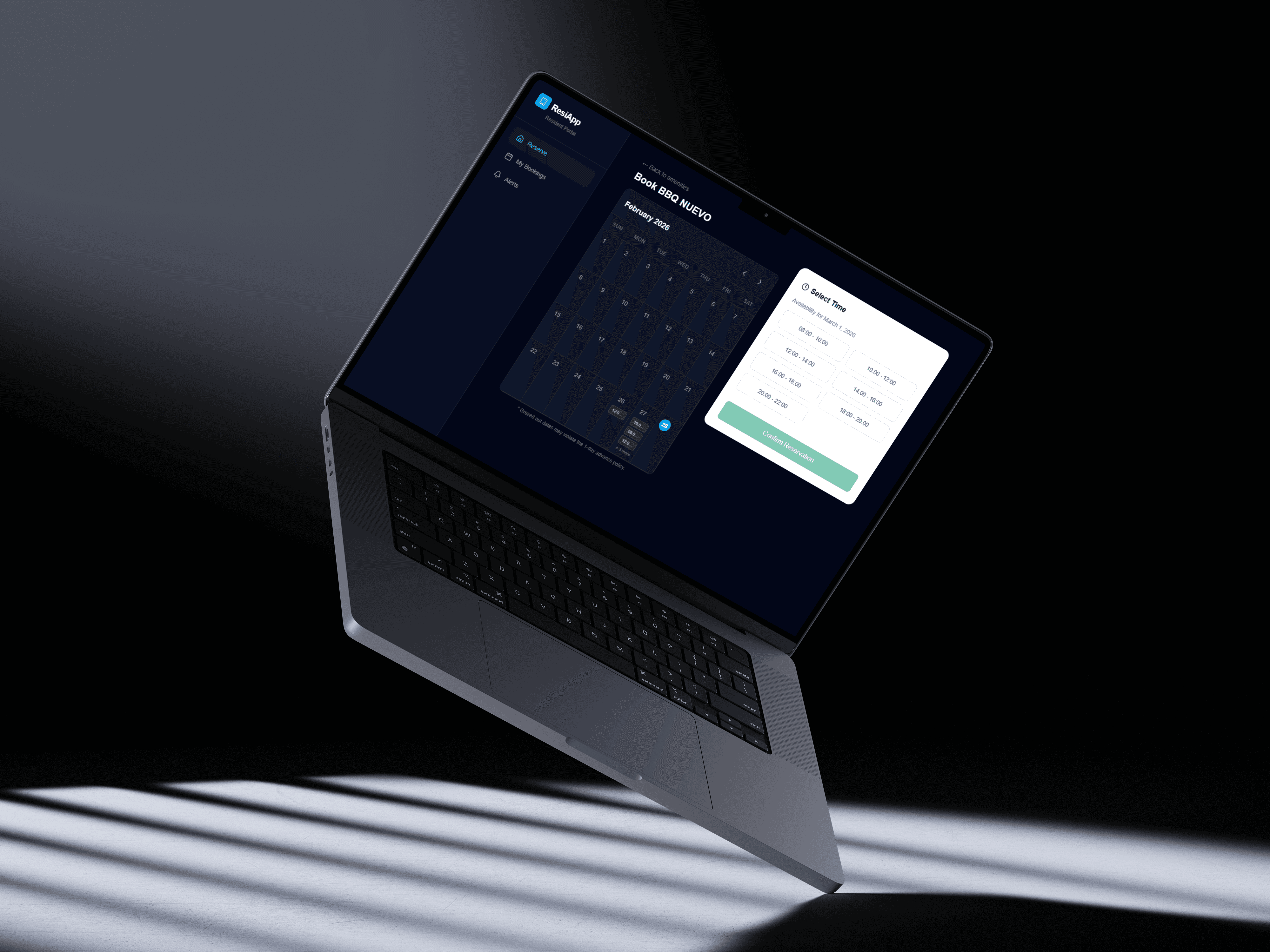
Resi-app isn't just a booking tool; it’s a Digital Concierge. Autonomous Inquiries: The AI Assistant (Gemini) acts as a 24/7 expert on building rules, resolving 60% of common management queries instantly. Seamless Booking: A clean, calendar-driven UI (as seen in the dashboard) that eliminates double-bookings and WhatsApp chaos. Automated Communication: Integrated email notifications for booking confirmations and rule updates, reducing manual follow-ups by the staff.
Results & Impact
Activation: Residents complete their first booking in under 2 minutes from the initial sign-up. Operational Savings: Projected 40% reduction in admin-resident friction, allowing managers to oversee more properties with the same headcount. Scalability: The B2B2C model ensures 100% adoption as the service is bundled into the building’s value proposition, not sold as a separate resident expense.
Key Take Away
Resi-app demonstrates my evolution from a UI/UX Designer to a Full-Stack Product Creator. By mastering AI orchestration and database security, I proved that a single designer can launch a secure, scalable, and business-ready product. I didn't just design screens; I designed a more efficient way of living. AI-Native Workflow (Gemini & Antigravity): I utilized Gemini and Antigravity as my primary development engines. This wasn't just about generating code; it was about system orchestration. By providing these tools with clear PRDs and architectural context, I reduced the development lifecycle by 50%, allowing me to focus on high-level logic, security protocols, and UX flows while the AI handled the boilerplate and complex PostgreSQL queries.